
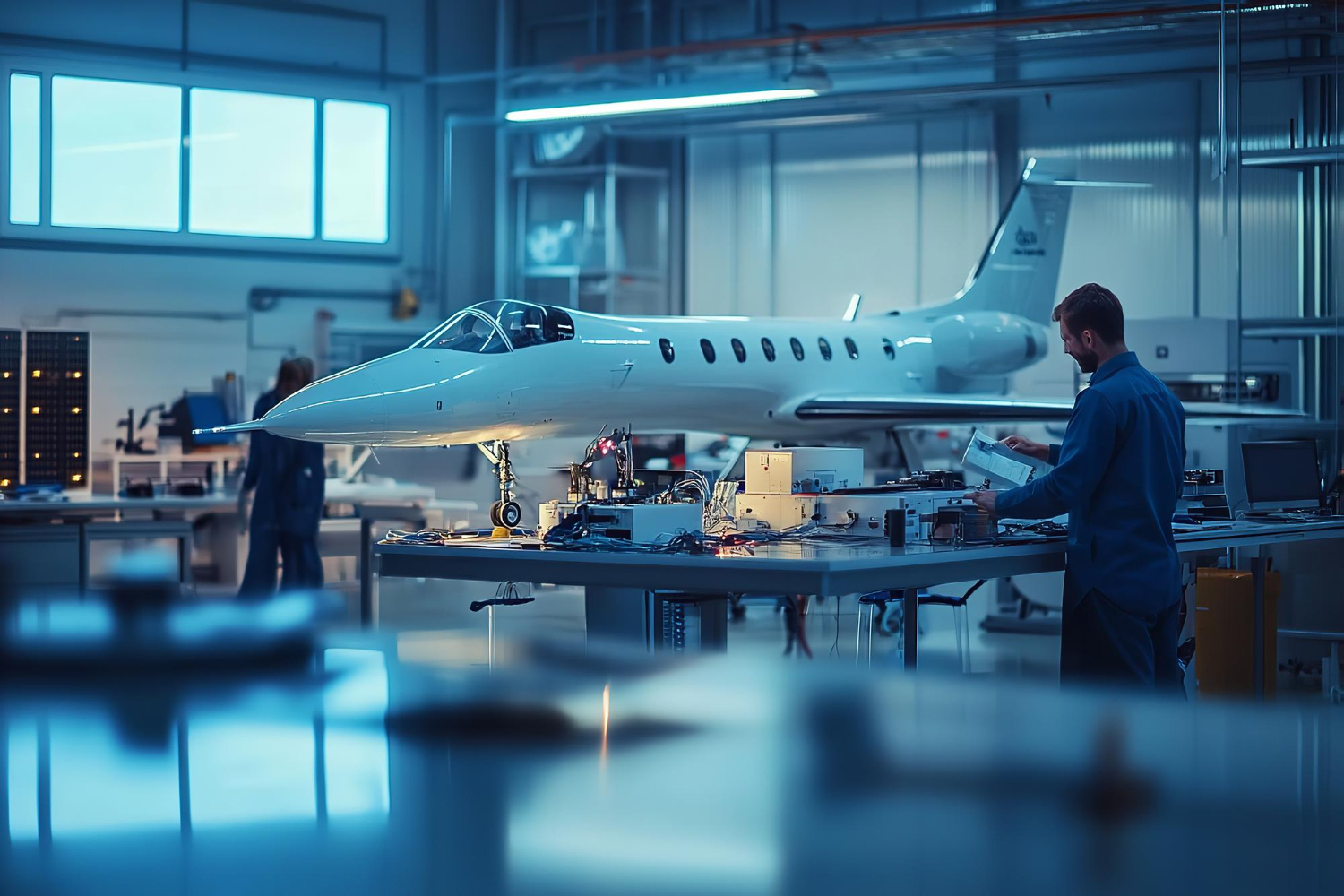
Continuous research drives tomorrow’s aerospace breakthroughs by enabling safer designs, faster innovation, and more reliable technologies. Through ongoing testing, engineering, and validation, aerospace companies refine new ideas into practical solutions that improve aircraft performance, support regulatory compliance, reduce development risks, and prepare the industry for future aviation and space challenges.
The aerospace industry has never stood still. Every improvement in aircraft performance, manufacturing, or autonomous technology is built on years of research, testing, and refinement. The breakthroughs that shape the future rarely happen overnight. They result from continuous engineering efforts that solve complex technical challenges one step at a time.
An experienced aerospace innovation and R&D company plays an important role in this process by combining engineering expertise with structured research to turn promising ideas into practical aerospace solutions.
Why is continuous research essential for aerospace innovation?
Continuous research is essential because aerospace technologies must become safer, lighter, more efficient, and more reliable before entering service. Ongoing development helps engineers identify problems early while improving designs through testing and validation.
Aircraft operate under demanding conditions where even small improvements can produce meaningful benefits. Research supports advancements in lightweight materials, propulsion systems, autonomous flight technologies, digital engineering, and advanced manufacturing. Instead of relying on existing designs, organizations that invest in long-term research remain prepared for future industry challenges and evolving customer requirements.
This commitment is one reason every successful aerospace innovation and R&D company continues investing in new engineering capabilities rather than depending only on established technologies.
How does research and development reduce risk in aerospace projects?
Research and development reduce project risk by identifying technical issues before production begins. Early testing allows engineering teams to validate performance, improve reliability, and confirm compliance with industry requirements.
Prototype development, computer simulations, laboratory testing, and flight evaluations all provide valuable information before full-scale manufacturing starts. Addressing challenges during development is significantly more efficient than correcting problems after deployment.
At Swift Engineering Inc, every development program follows a disciplined engineering process designed to evaluate performance, minimize uncertainty, and support dependable outcomes. This structured approach allows complex aerospace projects to move forward with greater confidence.
Can research accelerate aerospace technology development?
Yes. Research accelerates technology development by improving decision-making throughout the engineering process. Better data allows engineers to refine designs faster while avoiding unnecessary redesign cycles.
Modern aerospace programs increasingly rely on digital modeling, computational analysis, rapid prototyping, and advanced manufacturing methods. These tools allow multiple design concepts to be evaluated before physical production begins. The result is faster innovation without compromising quality or safety.
An experienced aerospace innovation and R&D company combines these capabilities with practical engineering expertise to help clients shorten development timelines while maintaining high technical standards.
What areas of aerospace benefit the most from continuous R&D?
Continuous research benefits nearly every segment of the aerospace industry because technology evolves across multiple disciplines simultaneously. Innovation supports both current aircraft improvements and entirely new transportation concepts.
Some of the areas that benefit the most include:
- Advanced air mobility and electric aircraft
- Autonomous flight systems
- Unmanned aerial vehicles (UAVs)
- Composite materials and lightweight structures
- Digital engineering and simulation
- Sustainable aviation technologies
- Defense and space system development
Each advancement depends on years of testing, analysis, and validation before reaching operational use. A trusted aerospace innovation and R&D company helps organizations navigate this development process with technical expertise and proven engineering methods.
Why should aerospace companies invest in long-term research?
Long-term research creates a stronger foundation for future innovation. Companies that consistently invest in research are better positioned to adapt to changing regulations, emerging technologies, and evolving customer expectations.
Research also builds technical knowledge that supports future programs. Many successful aerospace innovations originate from technologies that were initially developed years earlier for completely different applications. Continuous investment creates flexibility while reducing dependence on short-term solutions.
At Swift Engineering Inc, long-term engineering development remains a key part of delivering practical aerospace solutions that support both current and future industry needs.
Conclusion
Tomorrow’s aerospace breakthroughs will come from organizations that never stop learning, testing, and improving. Continuous research transforms ideas into reliable technologies that improve aircraft performance, strengthen safety, and support the next generation of aviation.
Choosing an experienced aerospace innovation and R&D company gives organizations access to the engineering expertise, structured development processes, and technical capabilities needed to solve complex aerospace challenges. As aviation continues to evolve, sustained investment in research will remain one of the strongest drivers of innovation, reliability, and long-term success.
Frequently Asked Questions
What does an aerospace innovation and R&D company do?
An aerospace innovation and R&D company researches, designs, tests, and validates new aerospace technologies before they reach production. These organizations combine engineering, prototyping, simulation, and testing to develop reliable solutions for commercial, defense, and advanced aviation applications.
Why is research important in the aerospace industry?
Research is important because aerospace systems require exceptional safety, reliability, and performance. Continuous development allows engineers to improve technologies, validate new designs, reduce technical risks, and meet evolving regulatory requirements before products enter service.
How long does aerospace research usually take?
The timeline depends on project complexity. Some improvements may require several months, while advanced aircraft technologies often take multiple years of research, testing, certification, and validation before commercial or operational deployment.
Can research improve aircraft sustainability?
Yes. Research supports more sustainable aviation by developing lightweight materials, fuel-efficient designs, electric propulsion systems, alternative energy technologies, and manufacturing processes that reduce environmental impact without compromising performance.
What industries benefit from aerospace research and development?
Research supports commercial aviation, defense, unmanned aerial systems, advanced air mobility, space technologies, manufacturing, and emerging transportation markets. Many aerospace innovations also influence automotive, robotics, and industrial engineering applications.
How do companies choose the right aerospace innovation partner?
Organizations should evaluate technical expertise, engineering capabilities, project experience, testing resources, quality processes, and a proven record of delivering reliable aerospace solutions. Selecting an experienced aerospace innovation and R&D company helps reduce development risk while improving project outcomes.


