
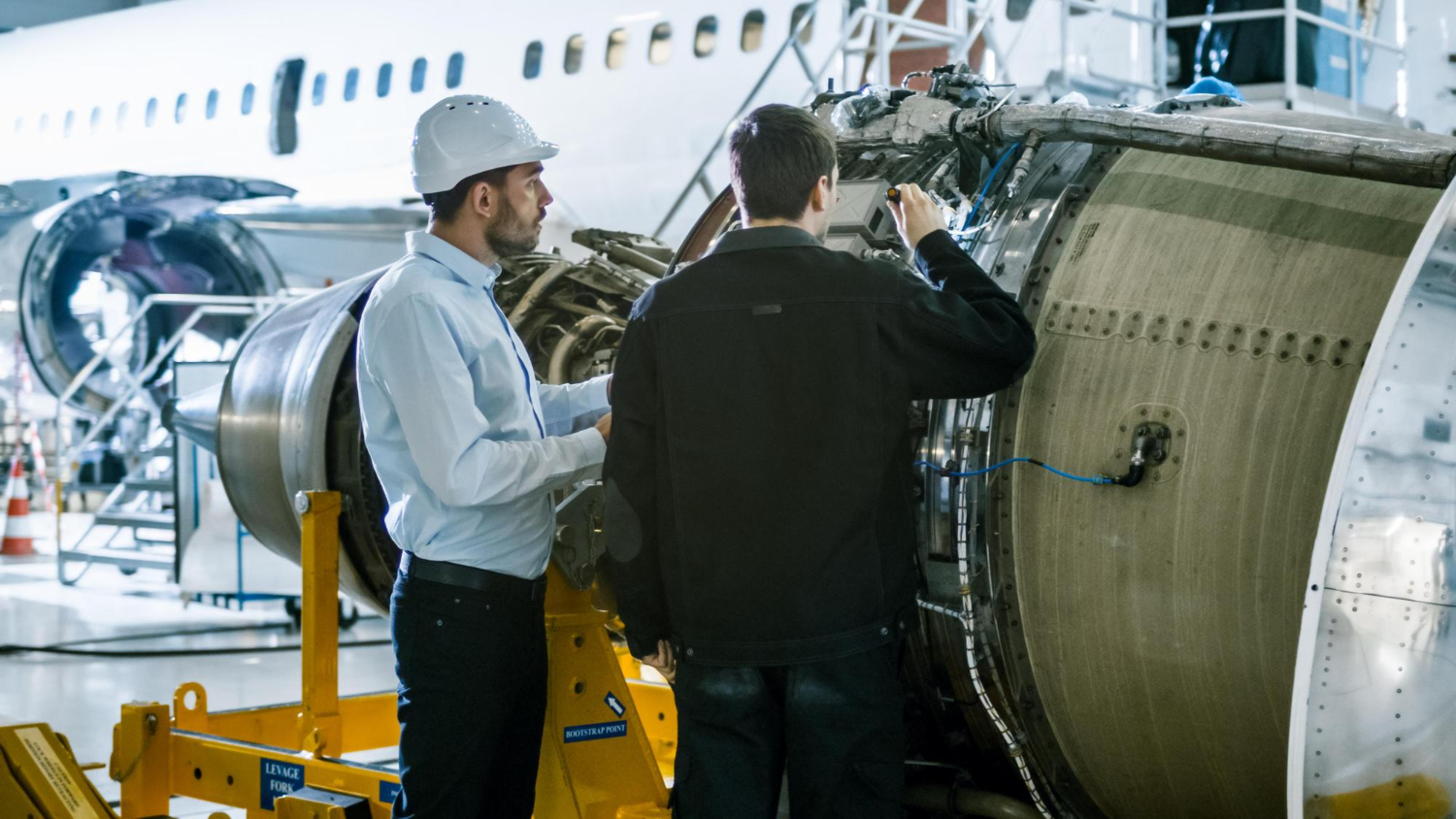
Precision manufacturing begins long before production starts because careful planning, engineering reviews, material verification, and process preparation determine the quality of the final product. In aerospace, build-to-print manufacturing relies on these early steps to ensure every component meets exact design specifications, regulatory requirements, and performance expectations.
Many manufacturers and procurement teams ask, “What is build-to-print manufacturing in aerospace?” and why does it play such an important role in producing high-quality parts? The answer is simple. It is a manufacturing approach where suppliers produce components exactly as specified in the customer’s engineering drawings without changing the original design.
Every dimension, material, tolerance, and inspection requirement must be followed precisely. At Swift Engineering Inc, we know that consistent results depend on building a strong manufacturing process before production ever begins.
What does build-to-print manufacturing mean in the aerospace industry?
Build-to-print manufacturing is a production method that requires manufacturers to fabricate components exactly as defined in customer-supplied engineering documentation. The manufacturer’s responsibility is to execute the design accurately rather than redesign or modify the part.
To better understand “What is build-to-print manufacturing in aerospace?”, it helps to look beyond the drawing itself. Manufacturers must review dimensional tolerances, material specifications, surface finish requirements, and quality documentation before production starts. This preparation reduces uncertainty and helps ensure every finished component meets the customer’s expectations.
Why does precision manufacturing start before production?
Precision manufacturing starts before production because planning determines how accurately a component can be produced. Decisions made during the preparation stage directly influence product quality, manufacturing efficiency, and inspection results.
Before any machining operation begins, engineers carefully evaluate drawings for manufacturability. Materials are verified against customer specifications, machining strategies are selected, and inspection plans are developed. Potential manufacturing challenges are identified early, allowing corrective action before they affect production schedules or product quality.
Understanding “What is build-to-print manufacturing in aerospace?” also means recognizing that successful manufacturing depends on preparation as much as execution. Careful planning reduces unnecessary rework, improves repeatability, and supports better production outcomes.
How does build-to-print manufacturing improve product quality?
Build-to-print manufacturing improves product quality by creating a controlled process that consistently follows approved engineering requirements. Every manufacturing step is guided by documented specifications instead of assumptions or design changes.
Quality begins with selecting the correct material and continues through machining, inspection, and final verification. Dimensional measurements, certified materials, and documented inspection records all contribute to a repeatable manufacturing process. This disciplined approach helps manufacturers deliver components that perform as intended throughout their service life.
When companies ask “What is build-to-print manufacturing in aerospace?”, they are often looking for a process that delivers dependable quality without compromising design intent. By following approved documentation from beginning to end, manufacturers reduce variation and improve confidence in every completed part.
What happens before an aerospace part enters production?
A significant amount of work takes place before production starts. These activities create a foundation for accurate manufacturing while reducing the risk of costly mistakes later in the process.
Engineering drawings are reviewed to confirm manufacturability, critical dimensions are identified, raw materials are verified, and machining methods are planned. Inspection requirements are also established before production begins so quality can be verified at every important stage.
This preparation explains “What is build-to-print manufacturing in aerospace?” beyond its basic definition. It is a structured process that combines engineering planning, manufacturing expertise, and quality assurance to produce components that meet demanding aerospace standards. Our focus on detailed preparation helps minimize production risks while maintaining consistency from the first operation through final inspection.
Frequently Asked Questions
1. How does build-to-print manufacturing ensure consistent quality?
Manufacturers follow approved drawings, material specifications, machining processes, and inspection requirements without altering the original design. This standardized approach minimizes variation, improves repeatability, and helps ensure every component meets strict aerospace quality standards.
2. What industries besides aerospace use build-to-print manufacturing?
Build-to-print manufacturing is widely used in industries such as defense, medical devices, automotive, industrial equipment, and electronics. Any industry that requires high precision, repeatable production, and strict adherence to engineering documentation can benefit from this manufacturing approach.
3. “what is build-to-print manufacturing in aerospace?” compared to design-build manufacturing?
The difference is that build-to-print manufacturing focuses solely on producing parts from customer-approved drawings, while design-build manufacturing includes product design and engineering. Knowing “what is build-to-print manufacturing in aerospace?” makes it easier to choose the right manufacturing partner for a project’s specific requirements.
4. Why are engineering drawings so critical in build-to-print manufacturing?
Engineering drawings provide detailed instructions for dimensions, tolerances, materials, finishes, and inspection requirements. Accurate documentation helps manufacturers produce components consistently while maintaining compliance with customer specifications and industry standards.
Conclusion
Precision manufacturing is built on careful planning, disciplined processes, and strict quality control long before production begins. Understanding “what is build-to-print manufacturing in aerospace?” highlights why engineering reviews, documentation, material verification, and inspection planning are essential for producing reliable, high-quality components.
A well-prepared manufacturing process not only improves consistency but also reduces risk, supports compliance, and delivers dependable results for demanding aerospace applications.


